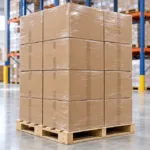
Truckload or Pallet: Which Should You Buy
The difference is not just scale. Buying a truckload changes your cost per unit, your storage requirement and your risk profile all at once.
Cost per unit
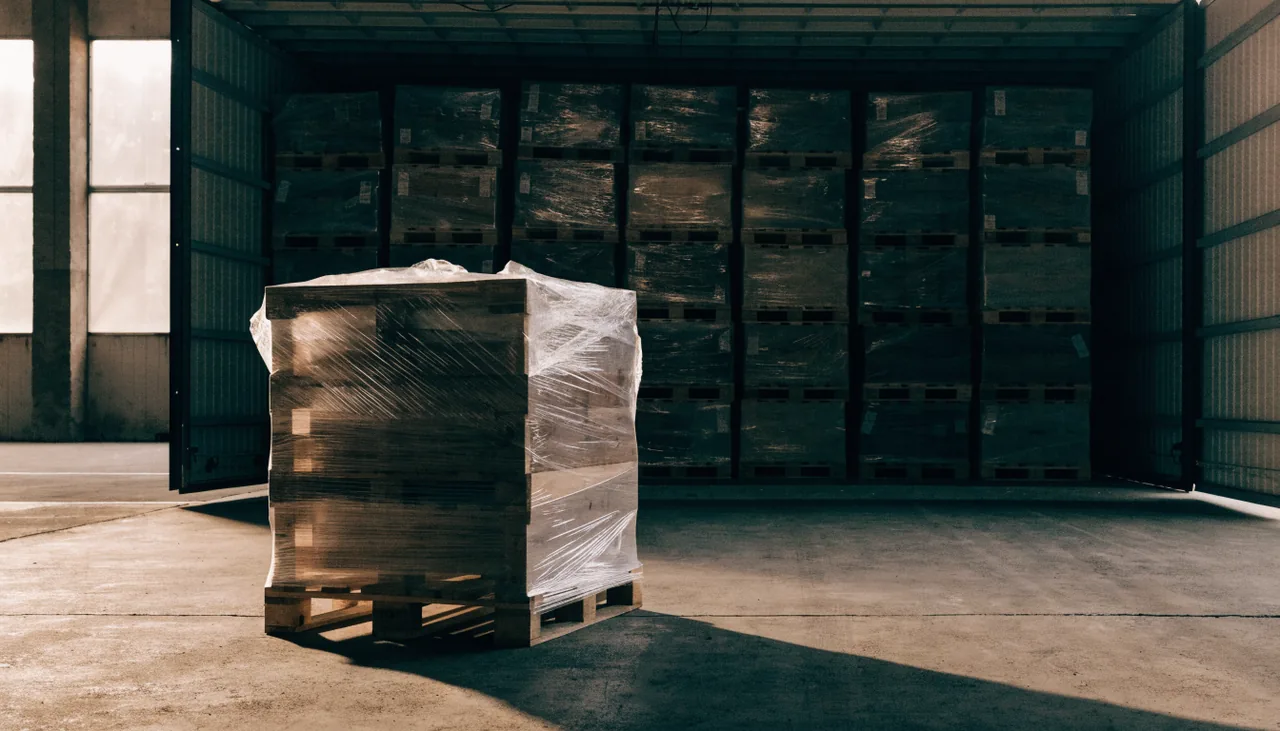
A truckload is typically 24 to 26 pallets. Because the freight and handling are spread across far more goods, cost per unit drops materially against buying the same stock a pallet at a time. That is the entire economic reason to do it.
What it demands from you
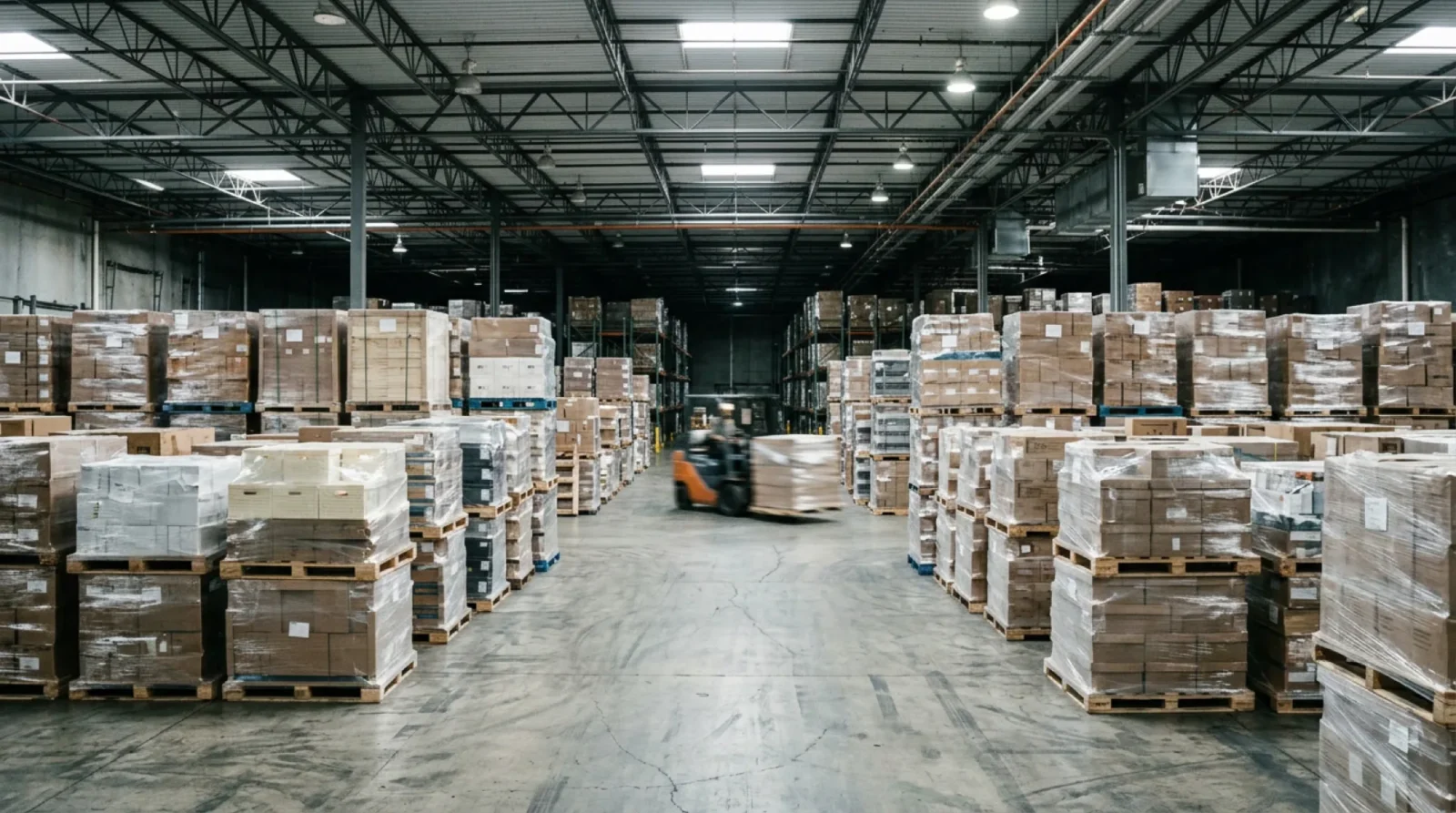
Space for 24 pallets. A way to unload a full trailer. Labor to break it down. And crucially, a route to market that can absorb that volume before the next load arrives.
Risk
A bad pallet costs you a few hundred dollars. A bad truckload costs you thousands and fills your unit for a month. Scale magnifies both outcomes, which is why nobody should start here.
A sensible progression
Buy single pallets until you have real sell-through data from your own sales, not from someone else’s video. When you can predict your recovery rate within a reasonable margin and you are running out of stock rather than running out of space, truckloads start to make sense.
More guides
Liquidation basics
What a liquidation pallet actually is, what unmanifested means, and who should not buy one.
Pricing a pallet
Cost per piece, realistic sell-through, and the costs that never appear on the invoice.
Amazon returns
What is really inside an Amazon returns pallet, and why the unboxing videos mislead.
What liquidation truck loads cost per unit
Liquidation truck loads price better per unit than pallets for one reason: the freight and the handling are spread across far more stock. The same goods bought as twenty separate pallets cost more per piece than the same goods bought as one consignment.
The trade is capital and space. A truckload ties up more money at once and needs somewhere to land, plus the labour to break it down before any of it earns. Buy at this scale once a category is proven, not before.