Where to Buy Amazon Return Pallets
Where to Buy Amazon Return Pallets. This guide is written for resellers, and it says what we would tell a customer on the phone. If you are working out where to buy amazon return pallets, the short version is below and the detail follows. Nothing here is a pitch for a particular load.
Where Amazon return pallets actually come from
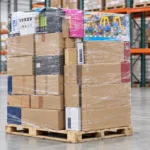
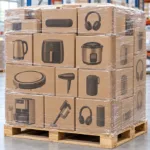
Amazon return pallets start as customer returns at an Amazon fulfilment or returns centre. Amazon does not sell them to the public directly. The stock is moved in bulk to liquidation wholesalers, and those wholesalers either break it down and resell it or pass it on again. By the time a pallet reaches a reseller it has usually changed hands once or twice.
That chain matters because it explains the price and the condition. Every hand it passes through takes a margin, and nobody in the chain opens and grades the load, because grading is the expensive part. What you are buying is unsorted stock at a price that reflects the sorting nobody has done.
The three places people buy them, and the trade-offs
Online liquidation marketplaces. You bid or buy from listings posted by wholesalers. Wide selection, but you are usually buying sight unseen from a seller you have no relationship with, and freight is often quoted separately after you win.
Direct from a liquidation reseller. Fixed prices, freight normally included, and one company answerable for the load. Less selection than a marketplace, but the terms are readable before you buy.
Local auctions and bin stores. You can see the stock, which removes most of the risk, but the price per unit is higher because someone has already done the sorting.
What to check before you buy from anyone
Ask whether the load is manifested. If a seller offers a full manifest on an unmanifested pallet, they are either grading it and charging for that, or guessing. Ask what condition basis they are selling on, and whether that is stated on the listing rather than only in conversation.
Check whether freight is included or quoted afterwards, because a cheap pallet with unquoted freight is not cheap. Check the claims window and what it actually covers. Freight damage has to be noted on the Bill of Lading before the driver leaves, so a seller whose policy ignores that has not thought about it.
What a realistic Amazon returns load looks like
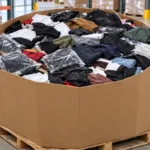
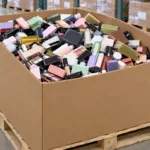
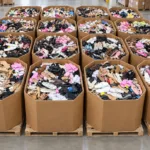
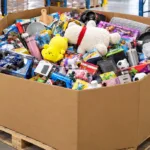
Expect a spread. A share of the stock will be new or new-with-tags, often returned unopened. A share will be opened and complete. A share will be damaged, incomplete or not worth listing. The ratio moves load to load and no honest seller will promise you a fixed split.
Amazon returns are the widest-variance product in liquidation, because the return policy that makes Amazon easy to buy from is the same policy that fills these pallets.
How to tell a reseller from a middleman
A reseller lists the load, prices it, and answers for it. A middleman posts a listing, takes your money, and forwards the order to whoever actually has the stock. The difference shows up when something goes wrong: the reseller has a policy, the middleman has an excuse.
Two questions separate them. Is freight included in the listed price, or quoted after you commit? And what is the claims window, in writing, before you buy? A company that can answer both in a sentence has thought about the answer. One that wants to discuss it after payment has not.
Why the good stuff is already gone
Amazon returns pass through a grading step at scale before the residual reaches the liquidation market. High-value electronics and anything easily refurbished is pulled out early, because it is worth more processed than it is by the pound.
What reaches a pallet is the stock that was not worth grading individually. That is not a criticism of the product, it is the economics that make the price possible. Any seller implying otherwise is describing a load that would never have been sold this way.
What to do the day the load arrives
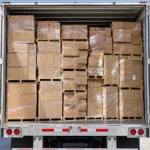
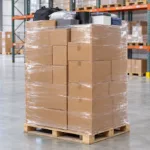
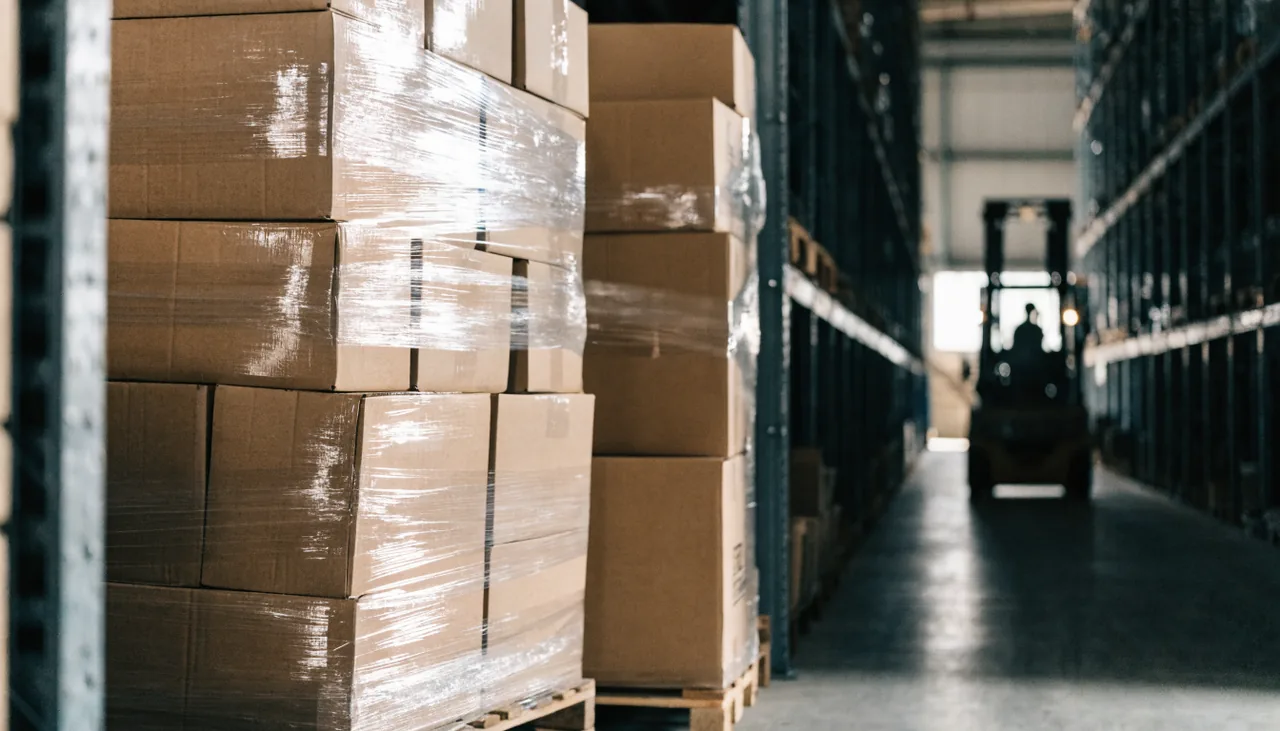
Inspect the outside before you sign. Wrap torn, corners crushed, the stack leaning: write it on the Bill of Lading and photograph it before the driver leaves. That signature is the moment the carrier’s liability ends, and no seller can recover it for you afterwards.
Then break the load down in one session rather than picking at it. Sort into sell-now, sell-slow and clear-in-bulk, and price the first pile the same day while you still remember what is in it.
Where to buy amazon return pallets: the short answer
If you take one thing from this page, take this: the price of a liquidation load is the payment for work nobody has done to it. Nothing is opened, graded or sorted before it ships, and that is exactly why it costs what it costs. Judge every load on landed cost per unit, assume a share of it will not sell, and buy from a seller whose terms are written down before you pay.
Where to go next
To see live loads, the category pages list everything we currently have, with the condition basis and the price on each listing. Our other guides cover pricing, freight and the red flags worth walking away from, and the glossary defines every term used above. Our full shipping and returns terms are published in full, which is the same standard we suggest you hold any seller to when working out where to buy amazon return pallets.