Where to Buy Clothes in Bulk for Resale
Where to Buy Clothes in Bulk for Resale. This guide is written for resellers, and it says what we would tell a customer on the phone. If you are working out where to buy clothes in bulk for resale, the short version is below and the detail follows. Nothing here is a pitch for a particular load.
Where bulk clothing actually comes from
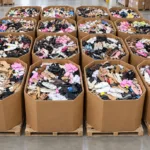
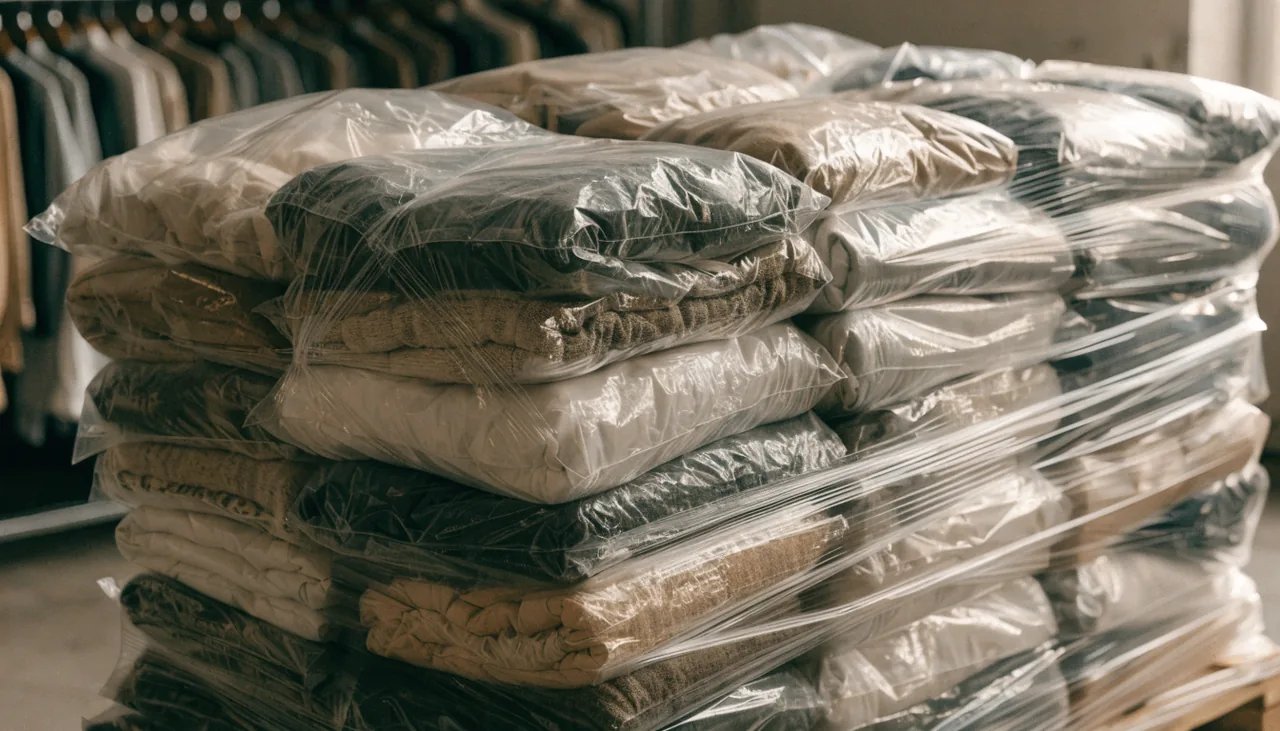
Most bulk apparel in the liquidation market is retailer returns and shelf pulls, sold by the pallet without a contents list. Some is genuine overstock, which is cleaner stock and priced accordingly. A smaller share is graded secondhand sorted by a specialist, which costs more because the sorting is done.
Which of the three you are buying matters far more than the brand names in the listing.
Size runs are the thing new buyers misjudge
Apparel loads arrive with incomplete size runs, always. You will get more mediums than smalls, and the extremes of the run are thin. That is not a defect in the load, it is what returns look like.
Plan your listings around it. If your buyers are mostly one size band, a mixed load will leave you holding the rest.
Condition, and what it does to your listings
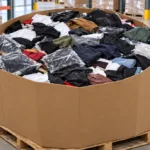
Part of a returns load is typically new or new-with-tags, part is worn, part is damaged or marked. Nothing is graded before dispatch unless you are buying pre-sorted stock at a higher price.
Sort by size and condition before you photograph anything. Clothing sells badly when it is listed straight out of the box, and well when it is presented as though someone cared.
Making the maths work
Take the landed cost per piece, then assume a share is unsellable. Bundle the middle, list the recognisable branded pieces individually, and move the remainder in bulk rather than storing it.
The sellers who do well with apparel are the ones with a route to market for the tail, not just the top.
Sorting is the whole business
Apparel rewards sorting more than any other liquidation category, because presentation drives price far more than in tools or electronics. The same shirt sells for three dollars in a heap and eighteen photographed on a hanger against a plain wall.
Budget the hours. A mixed apparel pallet is a day of work before anything is listed, and pretending otherwise is how people conclude that clothing does not work.
Seasonality you cannot ignore
Apparel loads carry whatever the retailer was clearing, which means winter stock arrives in spring. You either hold it until the season turns, which costs storage, or you sell it out of season at a discount.
Buyers who plan around this do well, because out-of-season loads are cheaper and they know when the demand returns.
Handling condition honestly in your listings
Photograph flaws rather than cropping them. Returns and disputes cost more than the extra few dollars a generous description earns, and marketplace ratings are the only asset a small reseller genuinely owns.
Grade your own stock into new-with-tags, excellent, good and bulk, and list each tier differently. That is the sorting the discount paid you to do.
Where to buy clothes in bulk for resale: the short answer
If you take one thing from this page, take this: the price of a liquidation load is the payment for work nobody has done to it. Nothing is opened, graded or sorted before it ships, and that is exactly why it costs what it costs. Judge every load on landed cost per unit, assume a share of it will not sell, and buy from a seller whose terms are written down before you pay.
Where to go next
To see live loads, the category pages list everything we currently have, with the condition basis and the price on each listing. Our other guides cover pricing, freight and the red flags worth walking away from, and the glossary defines every term used above. Our full shipping and returns terms are published in full, which is the same standard we suggest you hold any seller to when working out where to buy clothes in bulk for resale.